Wednesday, November 27, 2024

 Welcome!

In this blog you'll learn about all you want to know of exercise in an interactive way with a few posts.

All these blogposts are created by:

  • Santiago Q.
  • Mariapaz R.
  • Stephano C.


Exercise in children

The Importance of Exercise in Children

Regular physical activity is essential for children's growth, development, and overall well-being. Engaging in exercise not only promotes physical health but also supports cognitive, emotional, and social development. We're going to talk about the types of exercises beneficial for children, the recommended guidelines for physical activity, and the numerous advantages that come from maintaining an active lifestyle.

Benefits of Exercise for Children

Physical Health

Exercise plays a crucial role in enhancing children's physical health by:
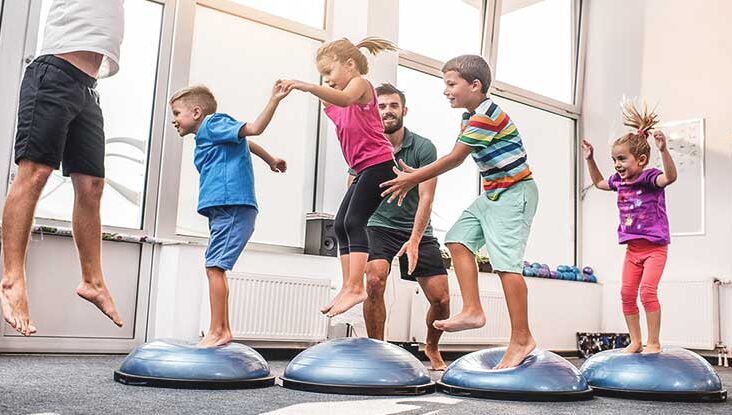
  • Building strong bones and muscles: Regular weight-bearing activities like running and jumping stimulate bone growth and increase bone density, which is vital during childhood when bones are developing.
  • Maintaining healthy weight: Physical activity helps regulate metabolism and supports weight management by increasing energy expenditure.
  • Improving cardiovascular fitness: Aerobic exercises such as swimming, cycling, and dancing strengthen the heart and improve its efficiency, enhancing overall cardiovascular health.

Cognitive Development

Physical activity is linked to improved cognitive function. Exercise increases blood flow to the brain, which can enhance:
  • Attention and Concentration: Active children often show better focus and academic performance compared to their sedentary peers.
  • Memory and problem-solving skills: Regular engagement in physical activities has been shown to boost memory retention and cognitive abilities.

Emotional Well-Being

Exercise significantly impacts mental health by:
  • Reducing stress and anxiety: Physical activity triggers the release of endorphins, which are natural mood lifters that help alleviate symptoms of anxiety and depression.
  • Boosting self-esteem: Achieving physical milestones through exercise fosters a sense of accomplishment and enhances self-image.

Social Skills

Participating in group sports or activities encourages children to develop essential social skills such as teamwork, cooperation, and communication. These experiences can lead to better social interactions and reduced antisocial behavior.

Recommended Guidelines for Physical Activity

The World Health Organization (WHO) recommends that children aged 5 to 17 engage in at least 60 minutes of moderate to vigorous physical activity daily. This can include a mix of aerobic activities, muscle-strengthening exercises, and bone-strengthening activities at least three times a week.
For younger children (ages 3 to 4), it's recommended that they be physically active for at least 180 minutes each day, with a combination of moderate and vigorous activities spread throughout the day.

Types of Activities

Children can participate in various forms of exercise, including:
  • Aerobic Activities: Running, swimming, cycling, dancing.
  • "To increase the strength of muscles" activities: Climbing, push-ups, resistance exercises.
  • "To increase the strength of bones" activities: Jumping rope, running.
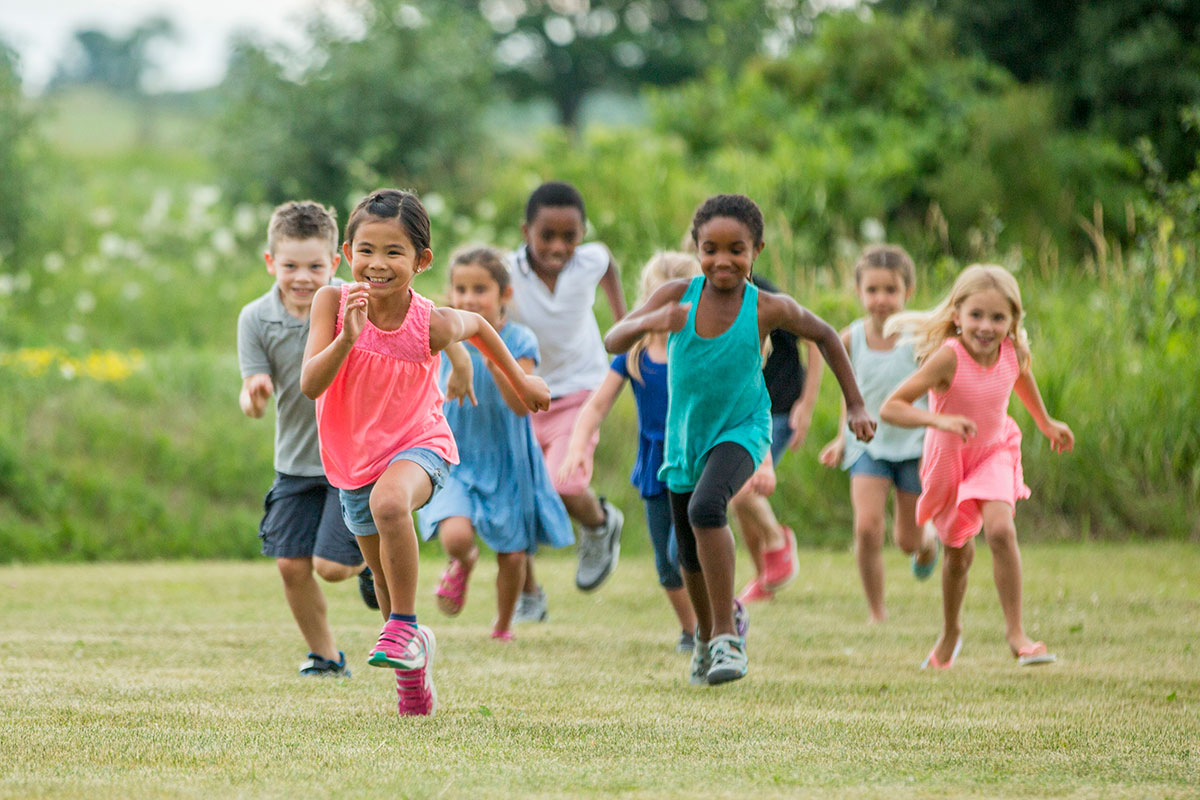
In addition to structured sports, unstructured playtime such as running around at parks or playing tag also contributes significantly to their physical activity levels.

Conclusion

Incorporating regular exercise into children's daily lives is vital for their physical health, cognitive development, emotional well-being, and social skills. By adhering to recommended guidelines and promoting fun, engaging activities, parents can ensure their children reap the many benefits of an active lifestyle. 


Created by: Stephano C.


Tuesday, November 26, 2024

Exercise in Older People

Before reading this blog, remember this is an essay


Did you know that if older people do not exercise they may fear pain, further injuries, reduced muscle mass, strength and physical endurance? Older people usually don’t go out to exercise because they’re afraid of falling and slipping when exercising, but on the contrary, older people should exercise to prevent falls, injuries, severe pain and health problems that can affect them due to age.


First of all, regular exercise is essential in older people to have a healthy life. There are a lot of benefits according to webpages like The Care Workers’ Charity, for example it can delay or prevent health problems that seem to come with age. Also it can improve strength, improve bone density, assist weight loss, increase confidence, improve sleep, etc. So these benefits prove that exercise is good for older people.
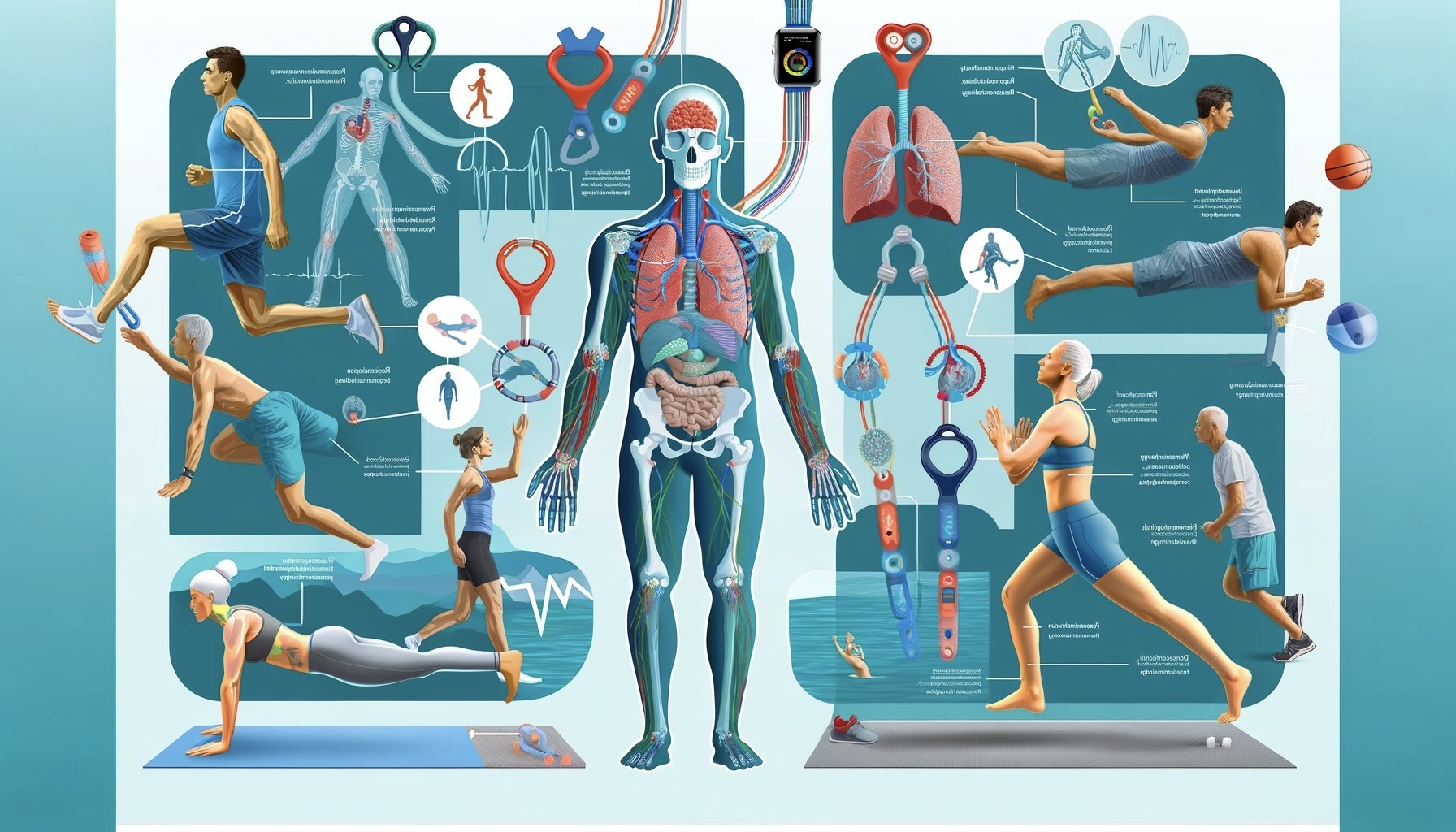


In addition to these benefits, according to webpages like "The GreenFields Continuing Care Community" exercise can also prevent health problems like diabetes and heart disease, it can lower the risk of falls, etc. Also you can keep your day-to-day activities without become dependent on others, in other words, you can maintain independent living if you exercise.
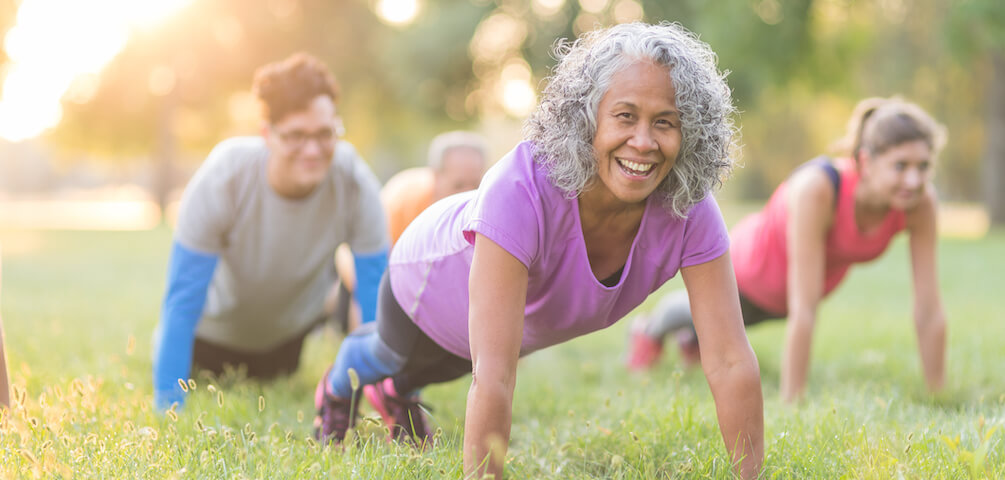

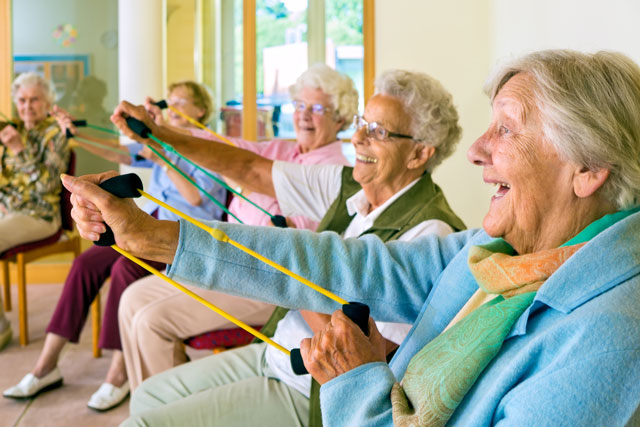
But there are a lot of barriers why older people don't want to exercise, according to testimonies of older people it's because of the fear of getting injured (with appropriate equipment and supervision, the risk of injury can be greatly reduced.) and discomfort and pain (because of back pain, sore knees, heart conditions, and lung disorder, but it can be managed through medication and alleviated with physical therapy), but chronic conditions can benefit from low exertion exercise and flexibility training. And in many cases of discomfort, elderly exercise options like water aerobics is a good option to reduce the impact on the joints.


So, In conclusion, to prevent health problems and have a healthy life, exercise is the most important thing for older people. So, if you are an older person you must exercise, don’t be afraid of getting injured. Exercise helps you prevent many diseases and also helps you maintain a healthy life for many years whether it's swimming, stretching your body or using a weight. Your body will thank you and (probably) you will live longer.


By: Santiago Q.

Pros (of doing exercise) and cons (of not doing exercise)

Exercising is the performance of planned, repetitive body movements with the aim of improving physical fitness, health and well-being. This term is for activities such as sports, gymnastics, and is differentiated from physical activity, which includes any energy-consuming movement, such as walking or cleaning.

Physical activity is essential to maintaining a healthy lifestyle. However, many people choose a sedentary lifestyle, which can have serious repercussions on physical and mental health. Below we discuss the benefits of exercising and the consequences of not doing so.


Pros of doing Exercise


1. Improves physical health:
Regular exercise helps to build muscle mass and bone density, which reduces the risk of diseases osteoporosis and fractures in the future, also physical activity burns calories, which contributes to maintaining a healthy weight and preventing diseases like obesity.

2. Cardiovascular benefits:
Regular exercise improves blood circulation and heart efficiency, reducing the risk of heart disease.

3. Mental health:
It reduces stress and anxiety; It increases the production of endorphins, known as the happiness hormones which reduce stress. Lack of physical activity is associated with an increased risk of depression and anxiety

More Pros:
  • Reduce the risk of falls
  • Increases the possibility of living longer
  • Improves sleep

Cons of not doing Exercise:


1. Losing physical abilities:
Not doing exercise can lead to a decrease in muscle strength, endurance, and flexibility. And when you perform everyday activities, you can feel a sense of "it's too difficult".

2. Increased risk of diseases:
A sedentary lifestyle is associated with an increased risk of developing chronic diseases such as type 2 diabetes, heart disease, and certain types of cancer.
Also physical inactivity has been shown to be as dangerous as smoking, increasing the risk of death when you are young.

3. Negative effects on mental health:
Inactivity can contribute to a higher incidence of psychological problems like depression and anxiety, and sedentary people often experience a lot of emotional stress due to the lack of endorphin release that exercise provides.

More Cons:
  • Your body probably will have more inflammation
  • You may have poorer circulation
  • Your bones may get weaker and lose essential minerals.


Not doing exercise has a lot of consequences for physical and mental health. Don't just stay at your bed watching Netflix or Youtube, or play videogames, do exercise just (at least) 30 minutes a day, it isn't too long considering that the day has 24 hours. And you have an active lifestyle, you can prevent a number of chronic diseases. So, it's important to find effective and enjoyable ways to incorporate physical activity into our daily routine.


By: Mariapaz Rodriguez

  Welcome! In this blog you'll learn about all you want to know of exercise in an interactive way with a few posts. All these blogposts ...