The Importance of Exercise in Children
Regular physical activity is essential for children's growth, development, and overall well-being. Engaging in exercise not only promotes physical health but also supports cognitive, emotional, and social development. We're going to talk about the types of exercises beneficial for children, the recommended guidelines for physical activity, and the numerous advantages that come from maintaining an active lifestyle.Benefits of Exercise for Children
Physical Health
Exercise plays a crucial role in enhancing children's physical health by:- Building strong bones and muscles: Regular weight-bearing activities like running and jumping stimulate bone growth and increase bone density, which is vital during childhood when bones are developing.
- Maintaining healthy weight: Physical activity helps regulate metabolism and supports weight management by increasing energy expenditure.
- Improving cardiovascular fitness: Aerobic exercises such as swimming, cycling, and dancing strengthen the heart and improve its efficiency, enhancing overall cardiovascular health.

Cognitive Development
Physical activity is linked to improved cognitive function. Exercise increases blood flow to the brain, which can enhance:- Attention and Concentration: Active children often show better focus and academic performance compared to their sedentary peers.
- Memory and problem-solving skills: Regular engagement in physical activities has been shown to boost memory retention and cognitive abilities.
Emotional Well-Being
Exercise significantly impacts mental health by:- Reducing stress and anxiety: Physical activity triggers the release of endorphins, which are natural mood lifters that help alleviate symptoms of anxiety and depression.
- Boosting self-esteem: Achieving physical milestones through exercise fosters a sense of accomplishment and enhances self-image.

Social Skills
Participating in group sports or activities encourages children to develop essential social skills such as teamwork, cooperation, and communication. These experiences can lead to better social interactions and reduced antisocial behavior.
Recommended Guidelines for Physical Activity
The World Health Organization (WHO) recommends that children aged 5 to 17 engage in at least 60 minutes of moderate to vigorous physical activity daily. This can include a mix of aerobic activities, muscle-strengthening exercises, and bone-strengthening activities at least three times a week.
For younger children (ages 3 to 4), it's recommended that they be physically active for at least 180 minutes each day, with a combination of moderate and vigorous activities spread throughout the day.
Types of Activities
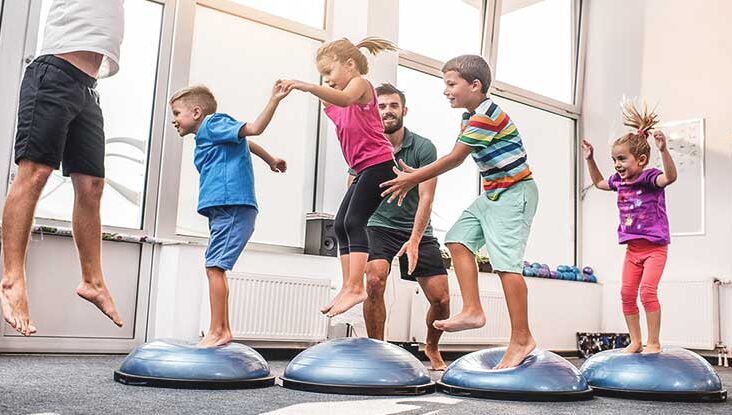
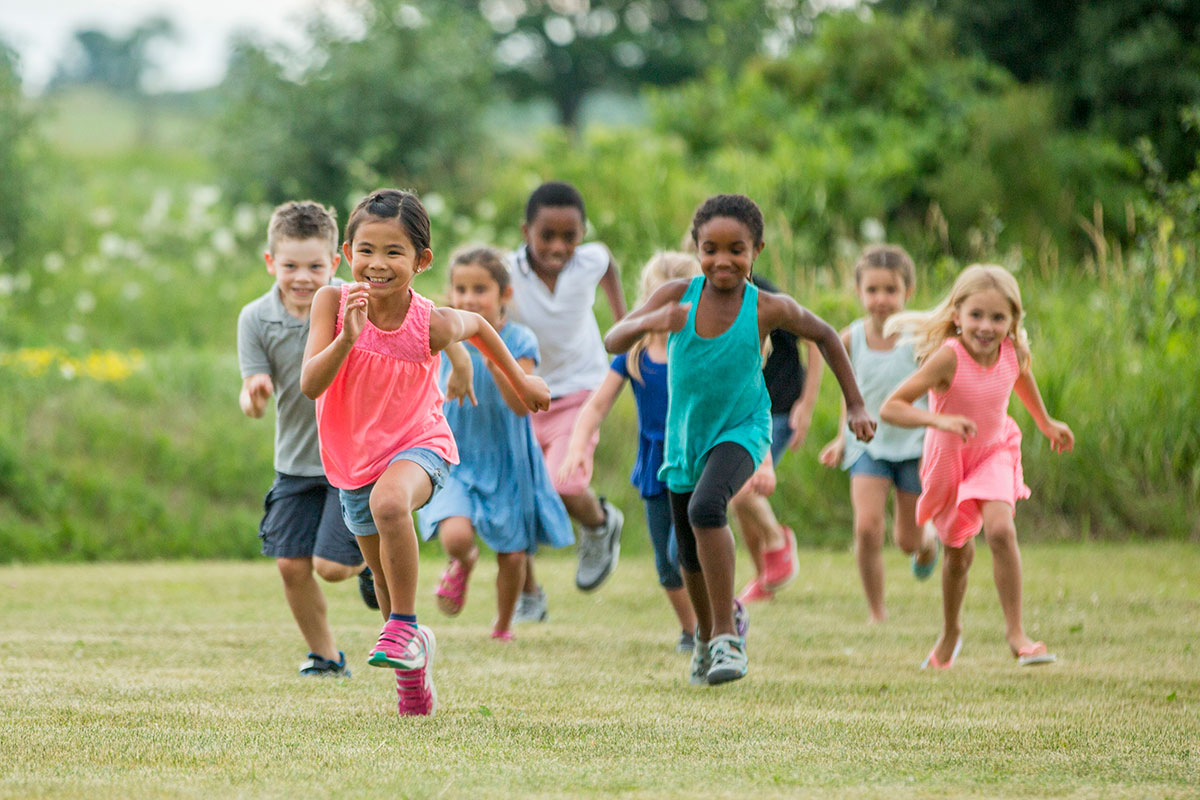
Children can participate in various forms of exercise, including:- Aerobic Activities: Running, swimming, cycling, dancing.
- "To increase the strength of muscles" activities: Climbing, push-ups, resistance exercises.
- "To increase the strength of bones" activities: Jumping rope, running.
Conclusion
Incorporating regular exercise into children's daily lives is vital for their physical health, cognitive development, emotional well-being, and social skills. By adhering to recommended guidelines and promoting fun, engaging activities, parents can ensure their children reap the many benefits of an active lifestyle.
Created by: Stephano C.




No comments:
Post a Comment